
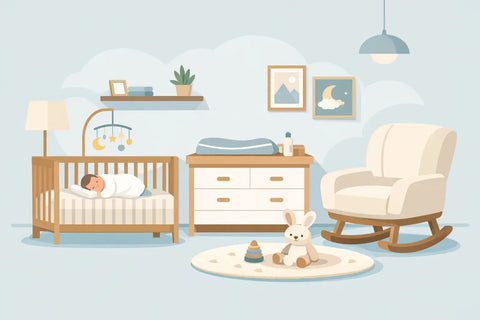
Those first nursery purchases can feel surprisingly high stakes. A beautiful room matters, but when you are preparing for a newborn, function and safety come first. If you are asking what nursery furniture do newborns need, the short answer is less than many parents expect - but the pieces you do choose should work hard, fit your space, and support daily routines from the start.
A newborn does not need a fully styled room packed with furniture. They need a safe sleep space, a practical place for changing, and enough storage to keep essentials within easy reach. Everything else depends on your home layout, how much room you have, and whether you want furniture that can adapt as your baby grows.
What nursery furniture do newborns need first?
The most useful way to think about nursery furniture is by task. Where will your baby sleep? Where will you change them? Where will clothes, nappies, muslins and blankets live? Once those three jobs are covered, the nursery starts to make sense.
For most families, the true essentials are a cot or newborn-safe sleep space, a changing station or dresser setup, and storage furniture. In smaller homes, one well-designed piece may do more than one job. In larger rooms, you may prefer dedicated furniture for each task. The right setup is not about having more. It is about reducing friction during feeds, nappy changes, and late-night wake-ups.
The cot is the one piece most newborns genuinely need
If there is one nursery item worth choosing carefully, it is the cot. Your baby will spend a great deal of time sleeping in the first months, so a secure, well-made cot with a properly fitting mattress is the centre of the room.
Look for a cot that meets recognised safety standards, uses non-toxic materials, and has a stable, durable frame. Slat spacing, mattress fit and construction quality matter more than decorative features. A premium cot should feel reassuringly solid and support safe sleep without gaps, wobble or soft padding.
Some parents start with a bedside crib or bassinet in their bedroom and move to a nursery cot later. That can work well, especially in the early weeks. Even so, many still choose the cot early so the nursery is ready when needed. If you prefer to buy fewer pieces, a cot with adjustable mattress heights can be a smart long-term choice. The higher setting is easier on your back with a newborn, and lower settings become useful as your baby grows more mobile.
A compact cot may suit a smaller flat, while a full-sized cot gives longer use. The trade-off is simple: compact options save space now, but larger cots often offer better value over time.
A changing table is useful, but it is not the only answer
Many parents assume a dedicated changing table is essential. Sometimes it is. Sometimes a dresser with a secure changing top makes more sense. What matters is having a stable, comfortable surface at the right height, so you are not constantly bending over the bed or sofa.
In practical terms, changing happens many times a day, so convenience matters. A good changing setup should leave room for wipes, nappies, clean clothes and a covered bin nearby. Drawers or shelves underneath are especially helpful, because they keep everything close at hand during those fast, messy moments.
If your nursery is tight on space, multi-functional furniture is often the better investment. A dresser that works as a changing station in the newborn stage and remains useful later can be more versatile than a single-purpose piece. If you have a larger room and want a clearly defined care zone, a dedicated changing table can feel more streamlined.
Storage furniture quickly becomes essential
Newborns may be tiny, but their belongings multiply fast. Sleepsuits, swaddles, towels, sheets, muslins, nappies, creams and spare mattress protectors all need a home. Without proper storage, even a stylish nursery can feel cluttered within days.
This is why many parents find a chest of drawers or nursery dresser becomes one of the most valuable pieces in the room. Drawers help you separate everyday basics from next-size clothing and less-used items. Open shelving can look attractive, but closed storage often feels calmer and tidier, especially when life becomes busy.
The best storage furniture balances accessibility and longevity. Deep drawers are useful, but they should glide smoothly and feel sturdy. Finishes should be easy to wipe clean. In a modern nursery, clean lines and neutral tones tend to work well because they blend into the wider home rather than making the room feel overly themed.
For families in Singapore, where space can be more limited, furniture that combines a smaller footprint with good vertical storage is often the most practical option.
Do newborns need a nursery chair?
A nursery chair is not essential in the same way a cot is, but many parents end up using one every day. For feeding, cuddling, settling and simply sitting down during long nights, a supportive chair can make the room far more comfortable.
Whether you need one depends on how you expect to use the nursery in the first few months. If your baby will sleep in your bedroom and you plan to feed mainly on the sofa, a nursery chair may be less urgent. If you want a quiet corner for night feeds or contact naps, it can be a very worthwhile addition.
Comfort matters more than trend-led design here. A chair should support your back and arms, and it should be easy to get in and out of while holding a baby. A footstool can help, though not everyone finds it necessary. If floor space is limited, you may decide to skip the chair at first and add one later if your routine calls for it.
Playpens and play mats are not day-one essentials, but they can still be smart early buys
Strictly speaking, a newborn does not need a playpen on day one. They are not yet rolling, crawling or playing independently. However, many parents buy a playpen and play mat system early because it helps prepare a safe, hygienic zone before the baby becomes more active.
This is particularly useful in busy households or open-plan homes. A high-quality play mat made from non-toxic, easy-clean materials gives you a soft surface for tummy time later on and a practical spot for supervised rest and movement in the early months. A compatible playpen becomes more valuable as your baby starts to wriggle, roll and explore.
The key is fit and material quality. Thick, high-density foam mats offer better comfort and support than thin alternatives, and a gap-free match between playpen and mat creates a neater, safer setup. These details may seem small at purchase, but they make a noticeable difference in everyday use.
Furniture you can skip at the newborn stage
This is where parents can save money and space. A bookcase filled with toys, a toddler table, decorative shelving, and extra seating may all be nice to have later, but they are rarely urgent for a newborn. Even a full wardrobe may be unnecessary if a chest of drawers covers the basics.
The same goes for buying furniture too far ahead. It is tempting to create a room for every future stage at once, but newborn needs are simple. Choosing fewer, better-made pieces often leads to a calmer nursery and a more confident purchase.
How to choose nursery furniture with confidence
When deciding what nursery furniture do newborns need, safety should lead every choice. Look for products made from baby-safe, non-toxic materials with reliable construction and finishes that are easy to maintain. A premium look is welcome, but it should always sit alongside practical features and tested quality.
It is also worth thinking about your daily route through the room. Can you reach nappies quickly? Is the changing area near storage? Does the cot fit comfortably without crowding the space? Furniture should make care routines easier, not create obstacles.
Design matters too, especially for modern family homes where the nursery is part of a carefully considered interior. Scandinavian-inspired styling, soft neutral colours, and clean silhouettes are popular for good reason - they feel calm, current and easy to live with. But the best nursery furniture does more than look refined. It stands up to regular cleaning, frequent use and the pace of family life.
For many parents, buying from a specialist baby furniture brand rather than a general retailer also brings peace of mind. Expertise, curated nursery systems, and a clear focus on safety can make decision-making much simpler. That reassurance is part of the value.
A newborn does not need a room full of furniture. They need a safe place to sleep, a sensible place to be changed, and a home that feels ready for everyday care. Start there, choose quality over quantity, and let the nursery grow with your family rather than racing ahead of it.