
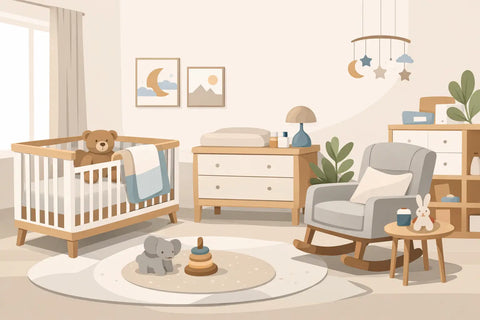
A beautiful nursery can look complete in a photo and still feel awkward by day three. The changing station is too far from storage, the cot dominates the room, and there is nowhere sensible to put nappies, muslins, and spare sleepsuits. Good nursery furniture should do more than match your walls - it should make everyday parenting easier, safer, and calmer.
For many parents, the challenge is finding pieces that fit modern homes without compromising on safety or quality. In Singapore especially, space often matters as much as style. That is why nursery furniture needs to work hard: it should support sleep, organise essentials, and stand up to daily use, all while feeling right in the room you live in.
What nursery furniture should do first
Before you think about colour palettes or decorative touches, start with function. The best nursery furniture supports the routines you will repeat every day - sleeping, changing, dressing, feeding, and tidying up. If a piece looks lovely but creates extra steps when you are carrying a baby at 2am, it is not the right choice.
Safety comes first, and rightly so. A baby cot should be sturdy, well-finished, and designed to meet recognised safety standards. Storage should feel stable and dependable, especially as babies grow into curious toddlers. Surfaces should be smooth, materials should be non-toxic, and fabrics or padded elements should be easy to clean. Parents should never have to choose between style and peace of mind.
There is also the question of longevity. Some furniture is only useful for a few short months. Other pieces continue earning their place long after the newborn stage. In most homes, the smarter buy is the one that adapts well, cleans easily, and still looks good after real family use.
Choosing nursery furniture for the room you actually have
Nurseries are rarely blank canvases. You may be furnishing a dedicated room, a corner of your bedroom, or a shared family space that needs to do several jobs at once. That changes what makes sense.
In a compact room, oversized furniture can make the whole space feel cramped. A slim-profile cot, a changing station with built-in shelves, or storage furniture that uses vertical space can be far more practical than buying separate bulky pieces. A cleaner layout also makes movement safer when you are carrying your baby, especially during night feeds or nappy changes.
If you have more room, it can be tempting to fill it. But restraint usually works better. A nursery feels calmer when each piece has a clear purpose. Instead of adding furniture for the sake of it, think in zones: sleep, changing, storage, and play. This helps the room stay organised and prevents clutter from taking over as the weeks go on.
The core pieces most families need
Most nurseries begin with three essentials: a cot, a changing area, and storage. That combination covers the basics without overcomplicating the room.
The cot is often the anchor piece, both visually and practically. Look for solid construction, baby-safe finishes, and dimensions that suit your space. Adjustable mattress heights can be useful in the early months, while a timeless design tends to age better than trend-led styling.
A changing station should make nappy changes efficient, not frantic. The best ones keep wipes, creams, spare clothing, and nappies within easy reach. If built-in storage is included, even better. It helps reduce the number of separate containers or baskets competing for space.
Storage furniture matters more than many first-time parents expect. Babies may be tiny, but their things multiply quickly. Drawers, shelves, and practical organisers help keep essentials easy to find. When storage is well designed, the whole nursery feels more manageable.
Safety and materials matter more than trends
Trends change quickly in baby interiors. Safety standards should not. When shopping for nursery furniture, pay close attention to construction quality, stable design, and certified materials. This is where specialist baby brands tend to offer more assurance than general furniture sellers.
Non-toxic finishes and eco-conscious materials are worth prioritising, especially in spaces where babies sleep, play, and spend long hours each day. Soft furnishings and mats should also be chosen with hygiene in mind. Easy-clean surfaces are not a luxury - they are part of daily practicality.
This is also where premium quality shows its value. Better-made nursery furniture usually feels more secure, lasts longer, and copes better with repeat cleaning and use. While lower-priced options may seem appealing at first, they can become poor value if they wear quickly or do not offer the same level of reassurance.
Why play furniture and floor solutions deserve attention
A nursery is not just for sleep. As babies begin to roll, crawl, and explore, the floor becomes one of the most used parts of the room. That makes play mats and compatible playpen systems an important extension of nursery furniture, not an afterthought.
A high-density foam mat with anti-slip properties creates a softer, safer surface for tummy time, movement, and play. If you are using a playpen, proper fit matters. Gap-free combinations help reduce awkward edges and support a more secure play area. For many parents, this kind of compatibility makes daily life easier because it removes guesswork.
Hygiene is another practical consideration. In family homes, mats and surrounding furniture need to handle spills, dribbles, and frequent wiping down. Materials that are antibacterial, durable, and simple to maintain are a strong choice for busy households.
Style still matters - but it should support daily life
Parents should not have to accept nursery furniture that looks purely functional. A well-designed nursery can feel calm, modern, and welcoming while still being highly practical. Scandinavian-inspired styling remains popular for good reason: clean lines, soft tones, and understated shapes fit naturally into contemporary homes.
The key is to choose furniture that complements the rest of your interior rather than fighting against it. Neutral wood finishes, muted colours, and simple silhouettes tend to stay attractive for longer. They also make it easier to update the room as your child grows.
That said, style should never create extra maintenance. Intricate detailing, delicate surfaces, or furniture that marks easily may not suit everyday family life. The most successful nursery spaces usually balance premium design with straightforward practicality.
Buying nursery furniture online with confidence
Shopping online is convenient, but parents still want reassurance before making an important purchase. That is especially true for larger nursery furniture items, where safety, sizing, and finish quality all matter.
Clear product information helps. So do visible safety certifications, honest dimensions, and realistic descriptions of materials and features. Reviews can be useful, especially when they mention long-term use, ease of cleaning, or whether pieces work well in smaller homes.
For some families, showroom access adds another layer of confidence. Being able to see selected pieces in person, check finishes, and get a better feel for scale can make decision-making much easier. That blend of online convenience and physical reassurance is often the sweet spot for nursery shopping.
A specialist retailer also tends to simplify the process. Instead of piecing together products from multiple shops, parents can choose coordinated solutions designed to work together. At RaaB Family, that focus on compatible, safety-centred nursery essentials helps parents shop with more clarity and less stress.
How to know you are choosing well
Good nursery furniture usually gives you a clear sense of relief. It fits the room, supports your routines, feels safe to use, and does not ask for constant adjustment. You should be able to picture real moments around it - early-morning changes, settling your baby for sleep, reaching for a fresh sleepsuit without rummaging through three drawers.
If you are comparing options, ask simple questions. Will this make daily care easier? Is it built for baby safety first? Will it still serve us well in six months? Does it suit the way our home actually works? Those answers matter more than chasing a perfect nursery image.
The right choice is rarely the most elaborate one. It is the one that helps your home feel more prepared, more organised, and more comfortable for the family you are becoming.
When nursery furniture is chosen with care, the room starts doing what it should: supporting your baby, easing your routine, and giving you one less thing to worry about.